Federico D’Agostino
  • Home
  • Publications
  • Essays
  • CV

Federico D’Agostino

PhD Student | Computational Neuroscience and ML

I am a third year PhD student in the fields of Computational Neuroscience and Machine Learning in the Bethge lab and Euler lab at the University of Tübingen, as part of the International Max Planck Research School for Intelligent Systems.


I’m passionate about applying machine learning and artificial intelligence to advance scientific discovery. My research currently focuses on the visual system, with a primary emphasis on the retina as a model system to understand neural computation. I’m excited to be collaborating with the Tolias lab at Stanford on the Enigma Project, a large-scale effort in modeling the visual system, contributing to the modelling team’s efforts to advance our understanding of the brain.

Prior to my PhD, I completed my MSc in Machine Learning at University College London (working in the Häusser lab) and my BSc in Neuroscience with Cognitive Science at the University of Sussex.

I also love open science and have contributed to several open-source projects, including open-retina, which you should definitely check out if you’re interested in retinal data analysis!

Lately …

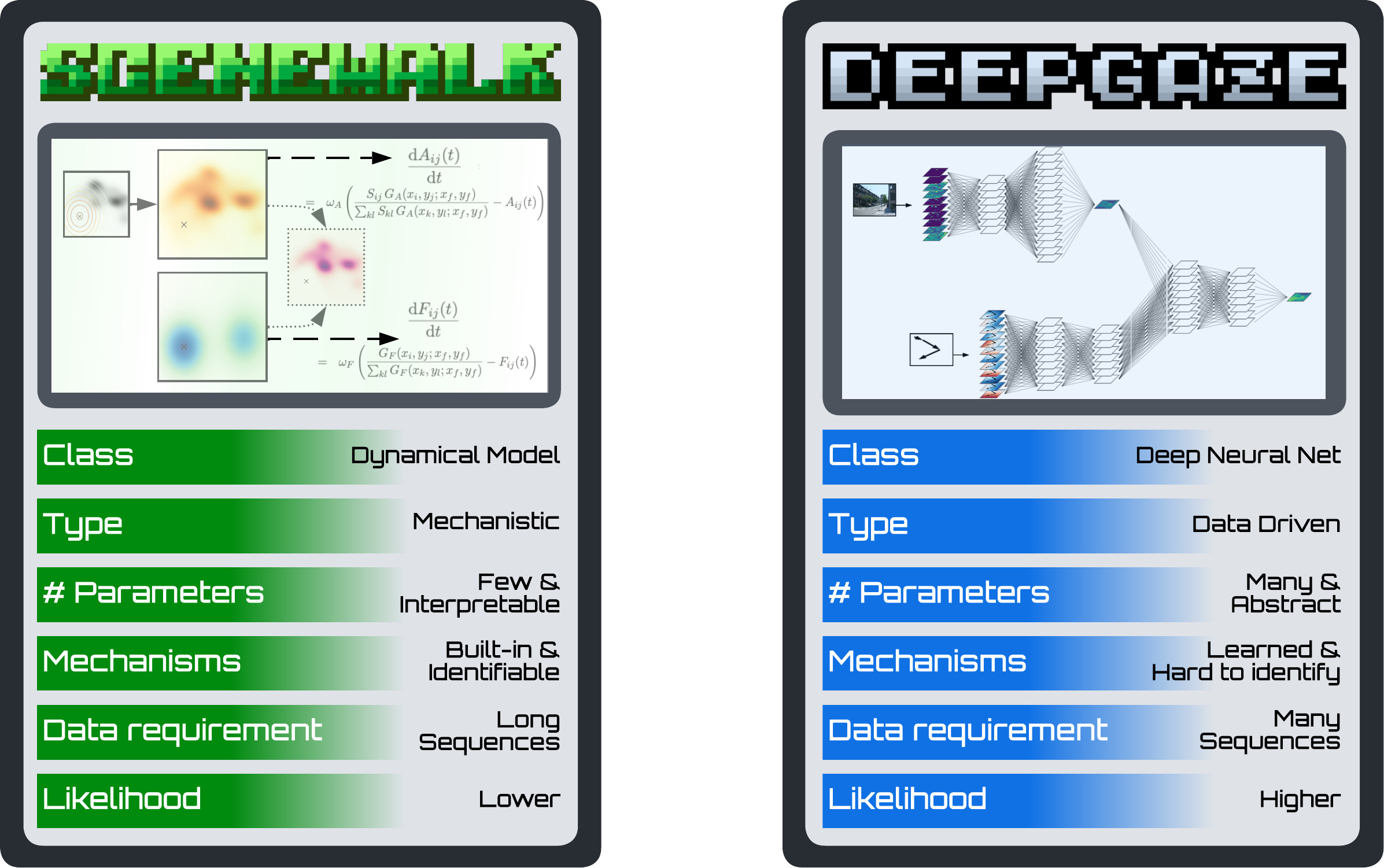
What Moves the Eyes: Doubling Mechanistic Model Performance Using Deep Networks to Discover and Test Cognitive Hypotheses

Using DeepGaze III to discover targeted extensions for SceneWalk, doubling its explained variance on MIT1003 from 35% to 70% — a new state of the art in mechanistic scanpath…

Sunday, the 9th of November, 2025
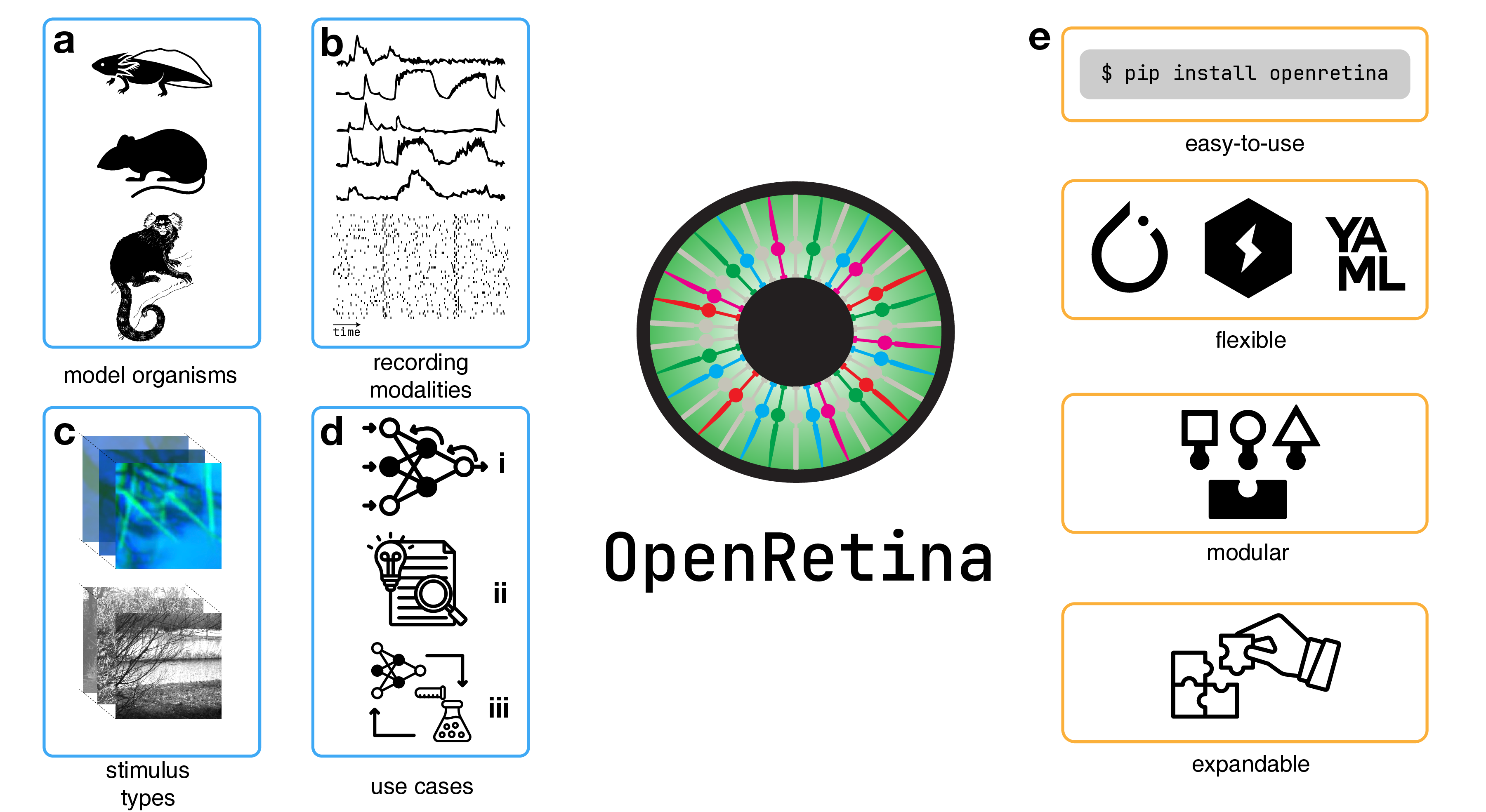
openretina: Collaborative Retina Modelling Across Datasets and Species

openretina: a PyTorch-based open-source platform unifying retinal data and models across species and labs, enabling reproducible neural circuit modelling within minutes.

Tuesday, the 11th of March, 2025

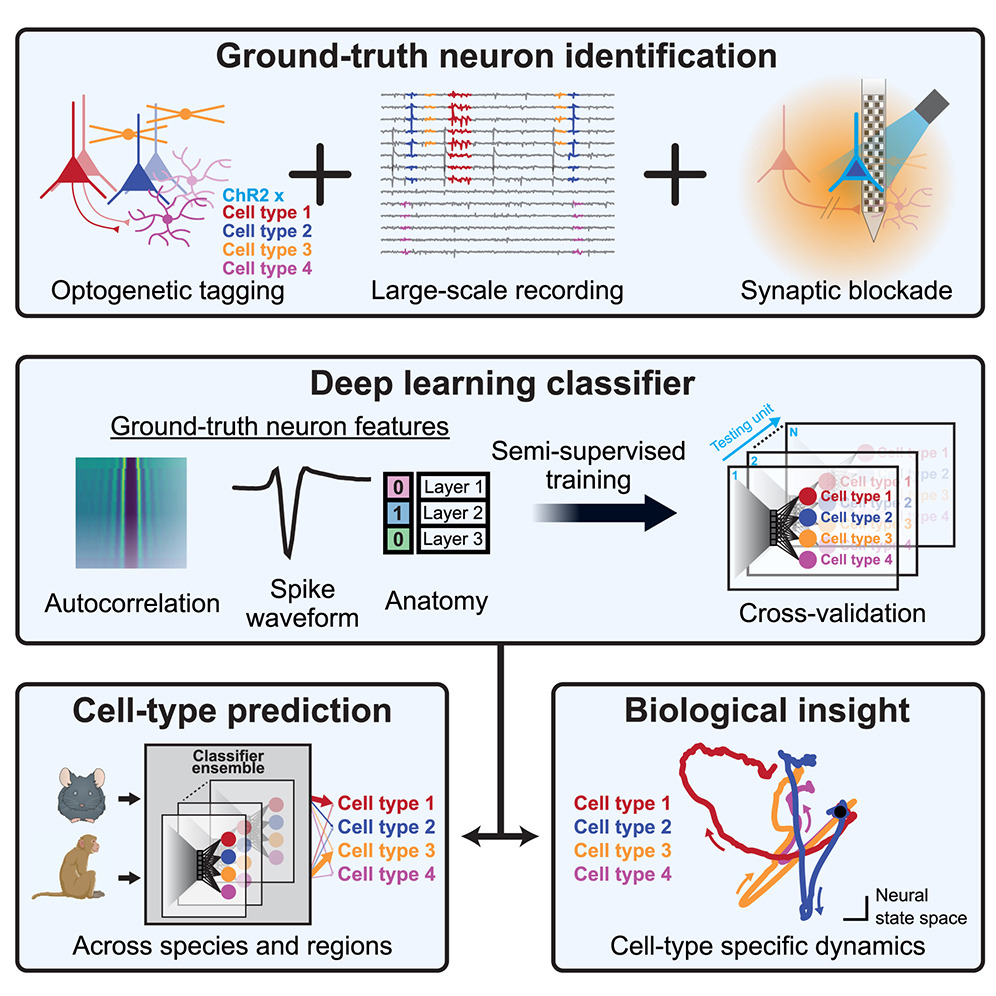
A deep-learning strategy to identify cell types across species from high-density extracellular recordings

Semi-supervised deep learning classifier identifying cerebellar cell types from Neuropixels waveforms and spike statistics with >95% accuracy, validated across labs and…

Thursday, the 30th of January, 2025

Could machines be conscious?

With growing interest in AI and rapid developments in consciousness science, tackling the question of machine consciousness is now unavoidable.

Thursday, the 6th of May, 2021
No matching items

See all publications → | See all essays →

Template from MC and SC.

Powered by Quarto.

Last updated: 2026-05-28